The 3 Signs It’s a Main-Line Problem (Not a Simple Sink Clog)

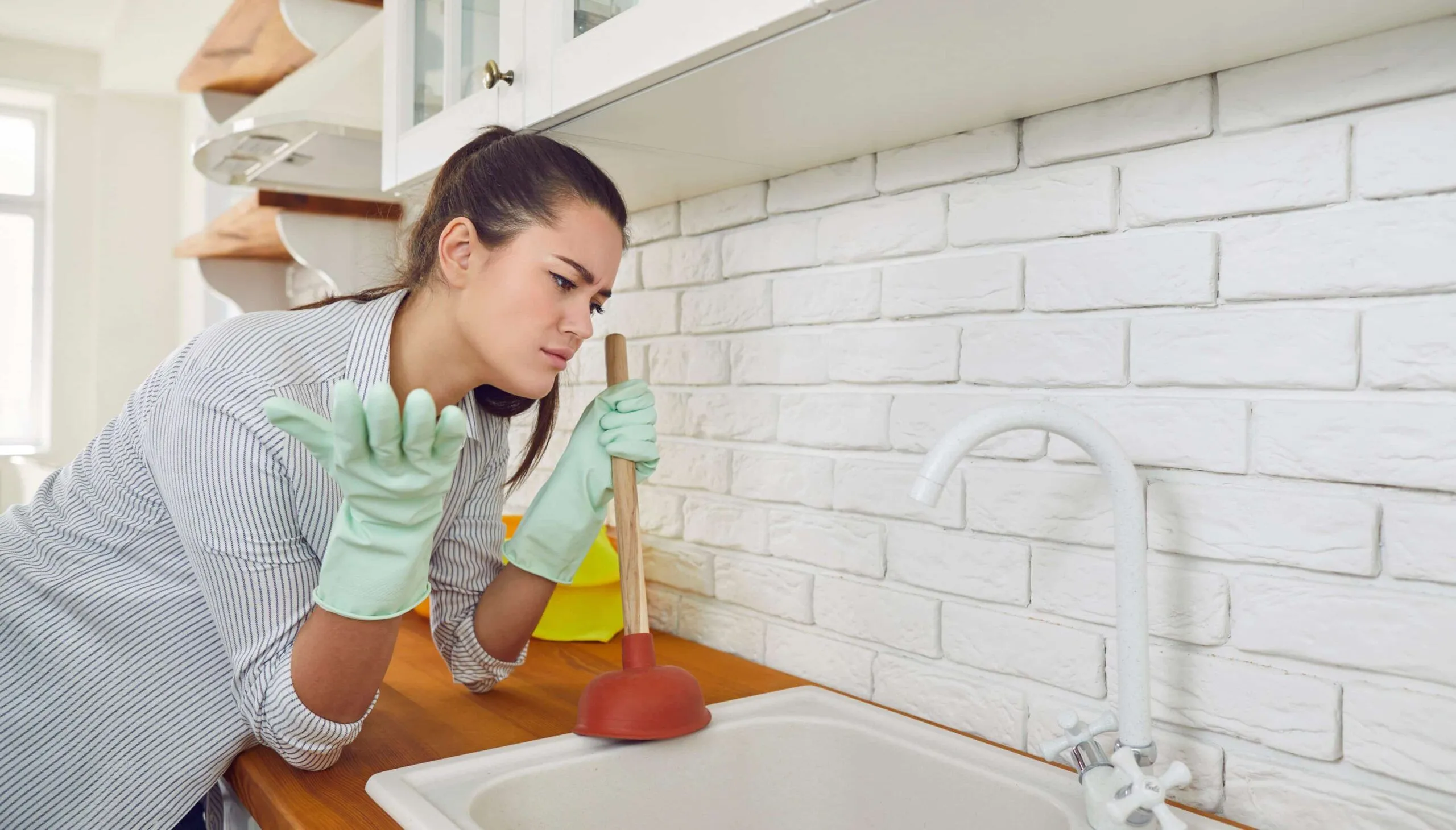
Most of us have been there, standing ankle-deep in lukewarm water while the shower refuses to drain or watching a kitchen sink swirl lazily without ever actually emptying. Usually, you just grab a plunger or a bottle of liquid cleaner and call it a day. But sometimes, that slow drain is a warning shot from deep inside your plumbing system. If you find yourself in a situation where the water won’t budge, you may need to get immediate help with emergency drain blockages before a small nuisance turns into a literal indoor pond. Distinguishing between a hairball in the P-trap and a full-scale sewer failure is the difference between a ten-minute fix and an expensive home restoration project.
1. Multiple Fixtures Are Acting Up at Once
The clearest giveaway that you are dealing with a main-line issue rather than a localized clog is a “syndicate” of failing drains. Think about the geography of your pipes. If the bathroom sink is backed up but the shower and the toilet work perfectly fine, the blockage is likely stuck in the small pipe dedicated to that specific sink. It is annoying, sure, but it is isolated.
However, when you have a main-line blockage, the “highway” that leads out of your house is shut down. This means every “on-ramp” (your sinks, tubs, and toilets) starts to pile up. If you flush the toilet and the bathtub starts gurgling, or if running the washing machine causes water to bubble up into the kitchen sink, you are looking at a main-line disaster. Since all these drains eventually meet at one single exit point, a clog at that junction sends water back up into the lowest openings in your home. If you see water appearing in places it shouldn’t when you use an unrelated fixture, put the plunger down and step away.
2. Strange Noises and Foul Odors From the Deep
Plumbing should be relatively quiet. Aside from the sound of rushing water, you shouldn’t hear much else. If your pipes start sounding like a percolating coffee pot every time the water runs, that is a bad sign. These “glug-glug” sounds happen because air is trapped in the line. In a healthy system, air escapes through vents on your roof. When a main line is blocked, that air has nowhere to go but back up through the standing water in your pipes, creating those unsettling bubbles and gasps.
Along with the soundtrack comes the smell. A simple sink clog might smell like rotting food in the kitchen, but a main-line problem smells like a primitive swamp. Because the main line carries everything away, including raw sewage, a blockage causes those gases to seep back into your living space. If you notice a persistent sulfur or “sewer gas” smell that doesn’t go away after cleaning your drains, the backup is deep underground. This is often the point at which homeowners realize they need professional emergency drain cleaning to blast through the obstruction before the odor becomes permanent furniture in the house.
3. The “Law of the Lowest Drain”
If you want to play detective, head to the lowest point in your home, usually a basement floor drain or a downstairs bathroom. Gravity is the driving force of your plumbing, and water will always seek the path of least resistance. When the main sewer line is obstructed by tree roots, grease buildup, or a collapsed pipe, the water cannot exit the house. It begins to fill the vertical pipes like a straw with a finger over the bottom.
The first place that water will overflow is the lowest drain in the structure. If you see soapy laundry water or sewage bubbling up through a basement floor drain, you have a confirmed main-line emergency. This is particularly dangerous because you might not even be using the water in that specific room, but because someone upstairs is taking a shower, the waste has to go somewhere. Ignoring this sign usually leads to a flooded basement within hours. Unlike a sink that you can just stop using, a main-line clog affects the entire ecosystem of your home, and the pressure will eventually force that water out somewhere, usually onto your floors.
Read Also: 5 Ways Businesses Are Using Custom Music Cards to Engage Customers
Final Word
Recognizing these red flags early can save you thousands of dollars in flooring and drywall repairs. While it is tempting to think a little extra chemicals will do the trick, main-line issues usually involve structural problems or deep-seated debris that your average DIY kit cannot handle. If your toilets are backing up into the tub or your basement floor is damp, it is time to act fast. You should get immediate help with emergency drain blockages to ensure your home stays dry and your plumbing stays functional. Don’t wait for the water to tell you twice; when the main line speaks, you need to listen.