Understanding the Functionality and Advantages of Motor for Roller Shades

Introduction to Motor for Roller Shades
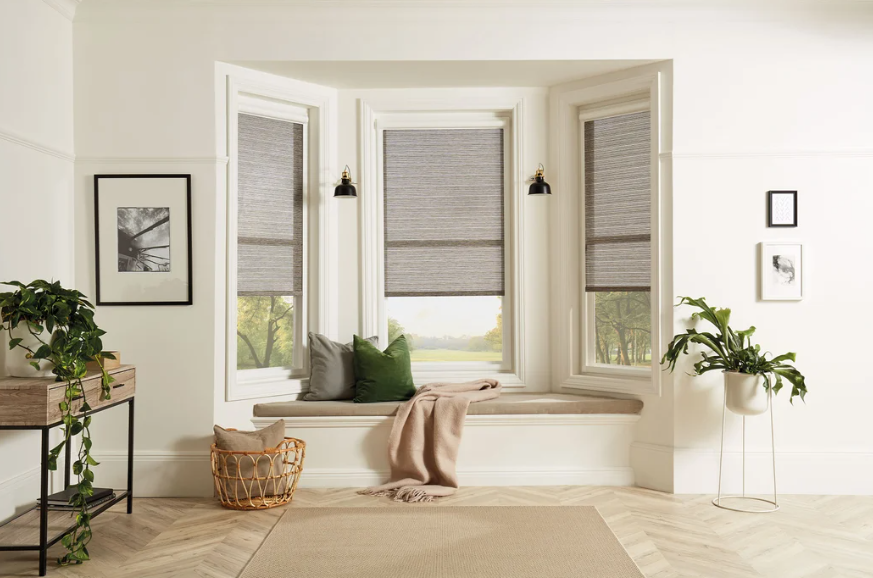
Automation in modern interiors has increased the demand for a motor for roller shades in both residential and commercial environments. These motors provide effortless control over window coverings, improving convenience, comfort, and energy efficiency. In industries focused on roller shade motor production, precise integration of electronics and mechanical components is essential for the motor’s performance and durability.
How Motor for Roller Shades Works
A motor for roller shades operates by rotating a shaft or tube that the shade is attached to. The rotation raises or lowers the shade according to user input or automated control systems. Modern motors are equipped with electronic controls that manage speed, direction, and stopping points. Limit switches or sensors prevent the motor from over-rotating, ensuring the shade material and motor components remain protected.
Key Features of Modern Motor for Roller Shades
Smooth and Quiet Operation
Motor for Roller Shades are designed for minimal noise, using low-vibration gears and components. Quiet operation is essential in bedrooms, offices, or commercial spaces where minimal disturbance is desired.
Energy Efficiency
These motors are engineered to consume low power while delivering adequate torque for smooth operation. Efficient energy use reduces electricity costs and extends the motor’s lifespan.
Compact and Durable Design
Compact designs allow the motor to fit inside standard roller tubes. High-quality materials and construction ensure durability and consistent performance even with frequent use.
Smart Home Integration
Many motors are compatible with timers, remote controls, and smart home systems. Automation enables scheduled operation or sensor-based adjustments for light and privacy, providing convenience and flexibility.
Residential Applications
Convenience and Accessibility
Motorized roller shades allow homeowners to operate window coverings without manual effort. They are particularly useful for high or hard-to-reach windows, providing effortless control at all times.
Energy Management
By controlling sunlight exposure, these motors help regulate indoor temperatures, reducing heating and cooling demands and contributing to energy efficiency.
Privacy and Comfort
Automated shades maintain consistent coverage, offering enhanced privacy and comfort throughout the day. Integration with smart systems allows simultaneous operation of multiple shades for convenience.
Commercial Applications
Centralized Control
In offices, hotels, or conference rooms, a motor for roller shades allows centralized operation of multiple window coverings. This ensures uniform lighting and minimizes glare, creating a more productive environment.
Energy Efficiency
Automated shades adjust according to sunlight or occupancy patterns, helping reduce energy consumption for heating, cooling, and artificial lighting.
Safety and Accessibility
By eliminating the need for manual handling, motorized shades enhance safety and make window coverings accessible to all occupants, including those with limited mobility.
See also: Telecommunication Innovation and Technology Unit 8446075103 8662888055
Integration with Electronics and Control Systems
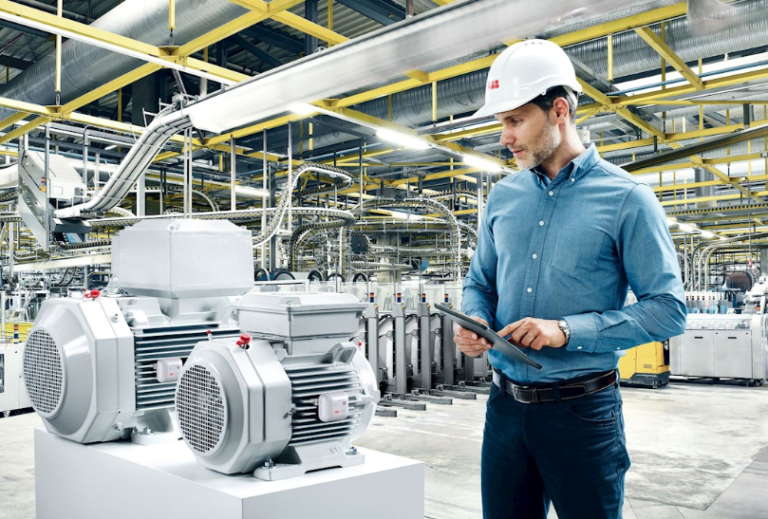
The motor for roller shades relies on electronic components for precise control. Microcontrollers, motor drivers, and sensors assembled on a PCB regulate the motor’s speed, torque, and direction. High-quality assembly ensures reliability and consistent performance.
Feedback Systems
Sensors such as rotary encoders or limit switches provide feedback on the motor’s position, allowing precise control and preventing over-rotation or damage.
Role of Quality Manufacturing
Accurate assembly and rigorous testing of the control circuitry are critical to ensure the motor functions correctly under various conditions. Quality inspections minimize defects and ensure long-term reliability.
Choosing the Right Motor for Roller Shades
Torque and Load Capacity
The size and weight of the roller shade determine the torque required. Selecting a motor with adequate torque ensures smooth, strain-free operation.
Voltage and Power Supply
Motors are available in low-voltage DC or standard AC versions. Choosing a motor compatible with the available power source ensures safe and efficient operation.
Control Options
Depending on requirements, motors may be controlled via wall switches, remote controls, or smart home systems. Selecting a motor with the appropriate control method is essential for convenience and functionality.
Environmental Considerations
For shades exposed to high humidity or outdoor conditions, motors with protective coatings or higher IP ratings offer better durability and resistance to dust and moisture.
Installation and Maintenance
Proper Installation Practices
Correct alignment and secure mounting are crucial to ensure smooth operation. Following manufacturer instructions prevents uneven movement, mechanical wear, and motor damage.
Routine Maintenance
Regular cleaning, inspection, and lubrication of moving parts maintain optimal performance. Checking electrical connections ensures the motor control system functions reliably.
Troubleshooting Common Issues
Problems may include mechanical obstructions, electrical faults, or sensor misalignment. Understanding both mechanical and electronic aspects allows for efficient diagnosis and repair.
Benefits of Using Motor for Roller Shades
- Convenience: Eliminates manual adjustments and simplifies operation.
- Energy Efficiency: Controls sunlight and reduces heating and cooling demands.
- Safety: Reduces the risk of injury and improves accessibility.
- Smart Integration: Supports remote control, scheduling, and automation.
Future Trends in Motor for Roller Shades
Smart Home Integration
Future motors will increasingly integrate with IoT devices, allowing automated schedules, remote operation, and voice control.
Advanced Feedback and Sensors
Improved sensor technology will enhance precision and reliability, reducing operational errors.
Eco-Friendly Designs
Energy-efficient motors and low-power operation will become standard, supporting sustainability and reducing electricity consumption.
Conclusion
A motor for roller shades is a vital component for modern automated window treatments. It combines convenience, energy savings, and precise control in both residential and commercial applications. High-quality electronic and mechanical integration ensures reliable performance, while proper selection, installation, and maintenance guarantee long-term functionality. As technology advances, these motors will continue to enhance comfort, accessibility, and energy efficiency in smart homes and commercial spaces.