Do I Need Special Clothing for Kayaking in Cold Water?

Kayaking in cold water brings a unique set of challenges, especially when it comes to staying warm and safe. Unlike warm-weather paddling, exposure to cold water can quickly become dangerous without the right gear. Wearing the proper clothing can make all the difference, offering warmth, protection, and peace of mind throughout your journey.
Understanding the Risks of Cold Water Exposure
Even if the air temperature feels mild, the water can be dangerously cold. Cold water shock, rapid loss of body heat, and hypothermia are serious risks for paddlers. Prolonged exposure without adequate insulation can lead to impaired motor skills, disorientation, and in extreme cases, life-threatening conditions.
What Makes Kayaking Clothing Suitable for Cold Conditions?
Specialised kayaking clothing is designed to keep you dry, retain body heat, and maintain flexibility. Breathable fabrics that repel water and wick moisture away from your body help regulate temperature while reducing the chilling effects of wind and splash. The goal is to stay dry from the outside while managing internal moisture and sweat.
See also: Maximizing Academic Success in Hong Kong
Key Clothing Options for Cold Water Kayaking
Thermal base layers are an excellent starting point. Materials like fleece-lined synthetics or thermal fabrics are designed to trap warmth while allowing excess moisture to escape. These layers sit closest to the skin and help regulate core temperature.
A popular choice among paddlers is wetsuits or dry suits, depending on the water temperature. Wetsuits offer insulation by trapping a thin layer of water that your body warms up, while dry suits keep water completely out when paired with insulating layers underneath.
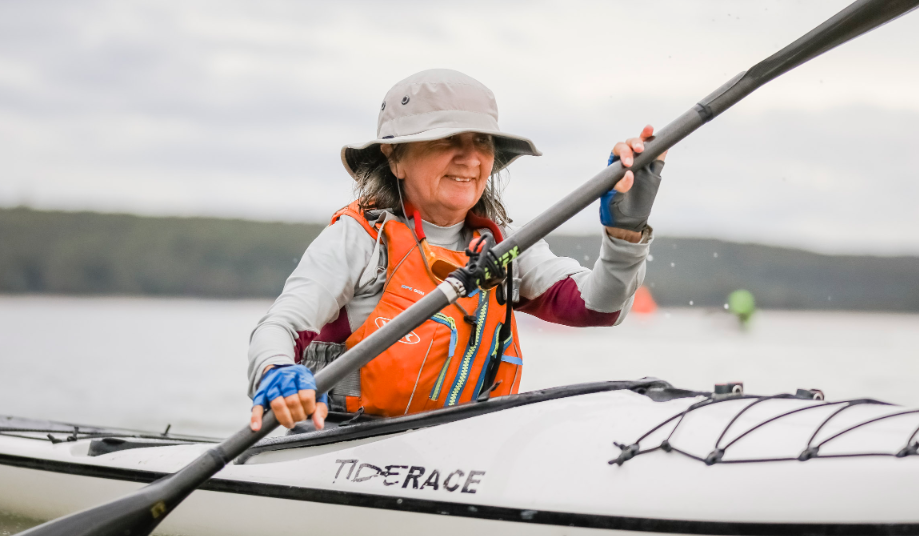
Other essential outer layers include paddling jackets and pants. These garments are tailored for mobility and often include windproof and splash-resistant features. If you’re looking for gear specifically designed for cold water paddling, check out this range of kayak clothing.
Essential Accessories for Cold Water Kayaking
Protecting your extremities is crucial. Neoprene gloves and socks provide both warmth and grip. A neoprene beanie or thermal head cover reduces heat loss through the head, one of the most vulnerable areas. Footwear should be waterproof or neoprene-based, offering both insulation and grip on wet surfaces. Spray skirts, while not technically clothing, also help keep water out of the cockpit and your lower half dry.
What Not to Wear in Cold Water
Avoid cotton at all costs. It holds water and loses insulation when wet, increasing the risk of hypothermia. Loose-fitting clothes can become heavy and waterlogged. Instead, choose snug but flexible clothing designed for performance in wet and cold environments.
Final Tips for Staying Warm and Safe
Always dress for the water temperature, not the air. Cold water can be unforgiving even on a sunny day. Layer up using the base, insulating, and outer layer system. Test your gear in safe conditions before embarking on longer trips, and always check water and weather conditions in advance.
Conclusion
Cold water kayaking demands proper preparation, and your clothing plays a vital role in both comfort and safety. Investing in quality gear designed for paddling in low temperatures will help you stay warm, stay safe, and enjoy the experience to the fullest.