Understanding Uninterruptible Power Supply (UPS): A Complete Guide

In today’s digitally driven world, uninterrupted access to electricity is critical for homes, offices, and industries. Power outages, surges, and fluctuations can damage sensitive electronics, disrupt operations, and cause data loss. This is where an uninterruptible power supply (UPS) becomes essential. In this article, we will explore what a UPS is, its types, applications, benefits, and maintenance tips, along with frequently asked questions.
What is an Uninterruptible Power Supply (UPS)?
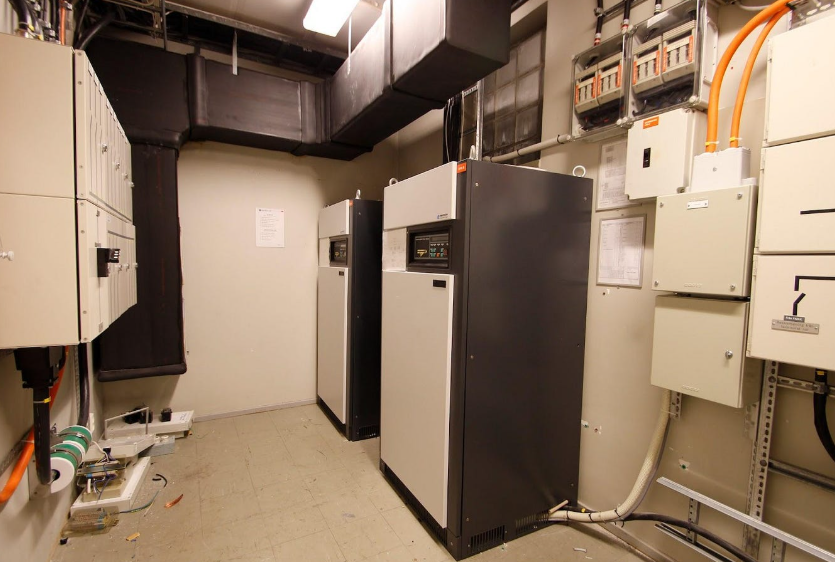
An uninterruptible power supply ups is an electrical device that provides backup power to electronic devices when the main power source fails or fluctuates. Unlike a standard generator, a UPS offers instant power without any delay, protecting connected equipment from damage caused by sudden power interruptions.
UPS systems typically contain batteries that store energy and an inverter to convert DC power from the batteries into AC power for your devices. Modern UPS units also include surge protection, voltage regulation, and monitoring features.
See also: What Should You Know About Long-Term Care After Plastic Surgery in New Orleans
Types of Uninterruptible Power Supply (UPS)
There are three main types of UPS systems, each designed for specific needs and applications:
- Offline/Standby UPS
- This is the most basic UPS type. It remains idle until a power failure occurs.
- Ideal for home computers and small office setups.
- Provides basic surge protection and backup power for short durations.
- This is the most basic UPS type. It remains idle until a power failure occurs.
- Line-Interactive UPS
- This type regulates voltage fluctuations and provides battery backup during outages.
- Suitable for small to medium-sized businesses.
- Offers better protection against brownouts and overvoltages compared to offline UPS.
- This type regulates voltage fluctuations and provides battery backup during outages.
- Online/Double-Conversion UPS
- Continuously converts incoming AC power to DC and then back to AC.
- Provides clean, consistent power regardless of input voltage fluctuations.
- Ideal for data centers, hospitals, and critical industrial applications.
- Typically more expensive but highly reliable.
- Continuously converts incoming AC power to DC and then back to AC.
Applications of UPS
Uninterruptible power supply UPS systems are widely used across various sectors:
- Home: Protect computers, gaming systems, and smart home devices from sudden outages.
- Business: Ensure continuous operation of servers, point-of-sale systems, and communication equipment.
- Industrial: Maintain operations in factories, plants, and other critical facilities where downtime can cause significant losses.
- Healthcare: Keep essential medical equipment running during power failures, ensuring patient safety.
- Data Centers: Prevent data loss and downtime by supplying uninterrupted, clean power to servers and networking devices.
Benefits of Using a UPS
- Uninterrupted Power Supply: Provides instant backup power during outages.
- Protection from Surges and Spikes: Safeguards sensitive electronic equipment from voltage irregularities.
- Data Protection: Prevents data corruption or loss due to sudden shutdowns.
- Improved Productivity: Reduces downtime in businesses and industries.
- Longevity of Equipment: Prevents damage caused by frequent power fluctuations.
How to Maintain Your UPS
Proper maintenance ensures your UPS functions efficiently and prolongs its lifespan:
- Regular Battery Checks: Test batteries periodically and replace them as needed.
- Keep It Clean: Dust can affect performance; clean vents and surfaces regularly.
- Monitor Load Capacity: Avoid overloading your UPS beyond its rated capacity.
- Firmware Updates: Some UPS systems have software that should be updated for optimal performance.
- Professional Servicing: For large or critical UPS systems, periodic professional maintenance is recommended.
FAQs about Uninterruptible Power Supply (UPS)
Q1: How long can a UPS provide backup power?
A UPS backup duration depends on its battery capacity and load. Small UPS units may provide 5–30 minutes, while large industrial UPS systems can last several hours.
Q2: Can a UPS protect against lightning?
While a UPS can handle minor power surges, direct lightning strikes require dedicated surge protection devices for maximum safety.
Q3: Is a UPS the same as a generator?
No, a UPS provides instant backup for short durations, whereas a generator provides long-term backup but requires time to start.
Q4: How do I know what UPS size I need?
Calculate the total wattage of devices you want to connect and add a 20–30% buffer. Choose a UPS rated slightly higher than this total.
Q5: Can a UPS extend the life of my electronic devices?
Yes, by preventing damage from power surges and fluctuations, a UPS can help prolong device lifespan.
Conclusion
An uninterruptible power supply (UPS) is an essential investment for anyone who relies on continuous, stable electricity. From homes to large data centers, UPS systems protect electronic devices, prevent data loss, and ensure uninterrupted productivity. By understanding the types, applications, and maintenance of UPS units, users can make informed decisions and enjoy peace of mind knowing their devices are safeguarded against power interruptions.