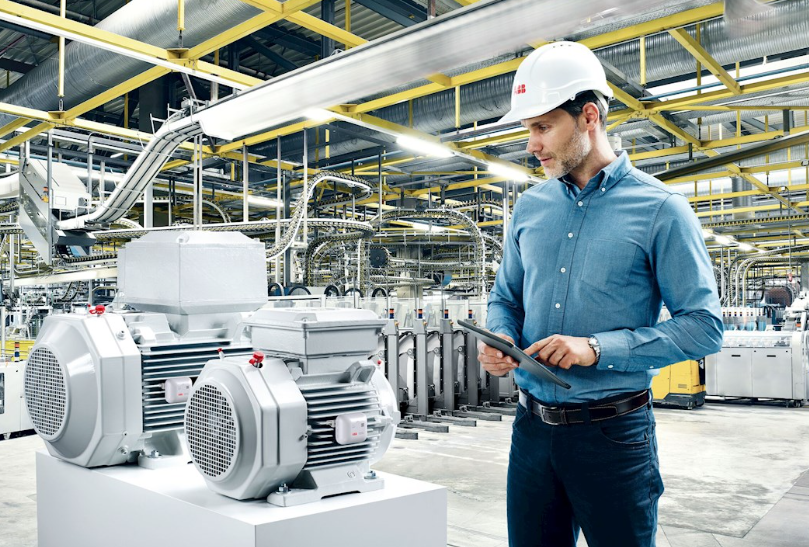
ABB Motors and Mechanical: Enhancing Industrial Efficiency

Introduction to ABB Motors and Mechanical
ABB motors and mechanical systems are widely recognized for their reliability, energy efficiency, and precision in industrial applications. These motors serve as the backbone of automation and manufacturing processes, powering machinery, conveyors, pumps, and compressors. Understanding the design, features, and benefits of ABB motors and mechanical solutions helps industries optimize performance, reduce operational costs, and improve overall productivity.
Overview of ABB Motors
ABB motors are available in various types, including AC, DC, synchronous, and induction motors. Each type is designed to meet specific operational requirements:
- AC Motors: Used in general industrial applications, providing reliable performance with low maintenance needs.
- DC Motors: Offer precise speed control and torque, making them suitable for applications requiring variable motion.
- Synchronous Motors: Provide constant speed operation for applications requiring high accuracy.
- Induction Motors: Commonly used in heavy-duty industrial machinery due to their robustness and efficiency.
ABB motors are engineered to provide high efficiency, minimize energy consumption, and ensure long-term durability, which is critical for reducing downtime and maintenance costs.
Mechanical Components in ABB Systems
The mechanical components of ABB motors play a crucial role in their functionality. These include gearboxes, couplings, bearings, and mounting systems, all designed for optimal performance:
- Gearboxes: Adjust torque and speed to match specific application needs.
- Couplings: Ensure smooth transmission of power while reducing vibration and misalignment.
- Bearings: Support rotational motion and reduce friction, extending motor life.
- Mounting Systems: Provide stability and facilitate proper alignment for efficient operation.
These components work together with the motors to ensure reliable, precise, and efficient operation in industrial settings.
Industrial Applications of ABB Motors and Mechanical
ABB motors and mechanical solutions are used across diverse industries due to their versatility and high performance:
Manufacturing
In manufacturing plants, ABB motors drive conveyors, presses, mixers, and robotic arms. Mechanical systems ensure smooth power transmission, precise motion control, and reduced wear on components, leading to improved productivity.
Water and Wastewater Treatment
ABB motors power pumps, aerators, and blowers in water treatment facilities. Mechanical components such as couplings and bearings reduce vibration, protect motors from damage, and enhance system reliability.
HVAC Systems
Fans, blowers, and compressors in HVAC systems rely on ABB motors and mechanical assemblies for efficient operation. Optimized designs improve energy efficiency and reduce maintenance requirements.
Mining and Heavy Industry
In mining operations, ABB motors provide power to crushers, conveyors, and mills. Robust mechanical components ensure reliable performance under heavy loads and harsh environmental conditions.
Food and Beverage Industry
Motors and mechanical assemblies drive processing and packaging machines, ensuring smooth operation, precise motion control, and consistent product quality.
See also: What’s the Average Turnaround Time for Garage Door Repairs in Greenwood?
Advantages of ABB Motors and Mechanical Systems
Adopting ABB motors and mechanical solutions provides multiple benefits for industrial operations:
- Energy Efficiency: High-efficiency motors reduce electricity consumption and operational costs.
- Reliability: Robust design minimizes downtime and maintenance needs.
- Precision Control: Mechanical systems enable accurate speed, torque, and motion control.
- Extended Equipment Life: Reduced mechanical stress and optimal load distribution prolong the lifespan of motors and machinery.
- Safety: Properly designed mechanical components protect personnel and equipment from operational hazards.
Maintenance Best Practices
Proper maintenance of ABB motors and mechanical systems ensures consistent performance and long-term reliability:
- Regular Inspections: Monitor for unusual noise, vibration, or overheating.
- Lubrication: Keep bearings and gearboxes properly lubricated to minimize wear.
- Cleaning: Maintain cleanliness of motor and mechanical components to prevent dust or debris buildup.
- Alignment Checks: Ensure shafts, couplings, and gearboxes are properly aligned to avoid mechanical stress.
- Component Testing: Periodically test relays, sensors, and protective devices to ensure optimal functionality.
Following these practices helps prevent unexpected failures, reduces repair costs, and enhances operational efficiency.
Technological Innovations in ABB Motors and Mechanical
ABB continues to innovate in motor and mechanical system design, integrating technology for improved industrial performance:
- Digital Monitoring: Sensors and IoT integration provide real-time performance data, enabling predictive maintenance.
- Smart Mechanical Systems: Advanced couplings and bearings reduce vibration, improve efficiency, and extend equipment life.
- Energy Optimization: Variable speed drives and energy-efficient motor designs reduce operational costs.
- Modular Designs: Simplify installation, maintenance, and system upgrades.
These innovations enhance operational reliability, energy efficiency, and overall productivity across industries.
Selecting the Right ABB Motors and Mechanical System
Choosing the appropriate ABB motors and mechanical components requires careful consideration:
- Evaluate Application Needs: Consider motor type, load capacity, and operational environment.
- Determine Efficiency Requirements: Select high-efficiency motors to reduce energy consumption.
- Assess Mechanical Compatibility: Ensure gearboxes, couplings, and bearings meet application demands.
- Check Maintenance and Service Support: Opt for systems with easy maintenance and accessible service support.
- Consider Long-Term Cost: Factor in energy savings, reduced downtime, and extended lifespan when making purchasing decisions.
Conclusion
ABB motors and mechanical systems are critical to industrial efficiency, providing reliable power, precision motion control, and energy savings. By integrating high-performance motors with robust mechanical components, industries can improve productivity, reduce operational costs, and extend equipment life.
Understanding the features, applications, and maintenance requirements of ABB motors and mechanical solutions allows engineers and plant managers to make informed decisions, ensuring smooth operation and long-term reliability. As technology continues to advance, ABB continues to innovate, offering solutions that meet the evolving demands of modern industrial applications.