Top 3 Dhaka Travel Attractions Tourists Love

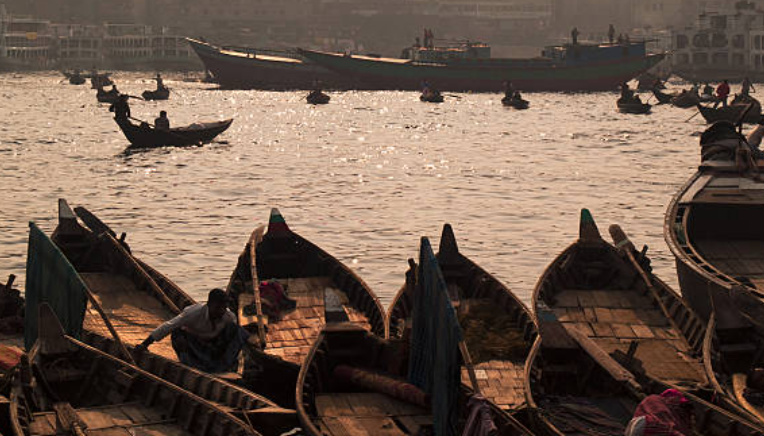
Dhaka, the bustling capital of Bangladesh, is a vibrant city where a tapestry of cultures, traditions, and modern influences intertwine. Known for its rich history, Dhaka has served as a critical trade hub for centuries, drawing visitors from around the world. The city’s streets are alive with the colors and sounds of everyday life, from the busy markets filled with local goods to the aromatic street food vendors offering a taste of Bangladeshi cuisine. One of the remarkable features of Dhaka is its resilience; despite facing numerous challenges, the city continues to innovate and grow, making it an increasingly important player in South Asia. For travelers wishing to experience this thriving metropolis, it’s essential to have reliable flight services, and Cathay Pacific provides flight services from Hong Kong To Dhaka making the journey more accessible for international visitors.
In addition to its historical significance, Dhaka boasts several cultural landmarks, including the impressive Lalbagh Fort and the stunning Ahsan Manzil, which reflect the city’s rich architectural heritage. The city is also home to vibrant art and music scenes, where local artists and musicians showcase their talents, further enriching the cultural experience. With a population that is both diverse and welcoming, Dhaka embodies the spirit of Bangladesh, offering visitors a glimpse into the country’s warm hospitality and intriguing traditions. Those keen to explore this dynamic urban landscape will find that Cathay Pacific provides flight services from Hong Kong To Dhaka allowing easy access to this increasingly popular destination. As Dhaka continues to develop, it balances modernity with tradition, ensuring that it remains a city of contrasts worth exploring for anyone interested in the region.
Curzon Hall
Visiting Curzon Hall, a stunning piece of history embraced by lush gardens and magnificent architecture, can be an enriching experience. To make the most of your visit, it’s essential to plan ahead. Start by checking the schedule for guided tours, which are often offered to provide insights into the hall’s rich history and architectural significance. These tours can enhance your appreciation of the building, allowing you to connect with its past and learn about its role in the local community.
When you arrive, take a moment to explore the surrounding gardens. The beautifully maintained grounds are perfect for leisurely strolls and provide an excellent backdrop for photography. Be sure to bring your camera; the combination of the historic building and picturesque landscape offers countless photo opportunities. Furthermore, it’s best to visit during the early morning or late afternoon to enjoy softer natural lighting, making your photos even more stunning.
As you wander through Curzon Hall, pay attention to the details of the architecture. The intricate designs and craftsmanship reflect a bygone era and offer fantastic conversation starters. Don’t hesitate to ask questions during your tour, as knowledgeable guides can offer fascinating insights into the structural elements, motifs, and stories behind the hall. They can also share tips on other historical sites in the vicinity, making your visit even more enriching.
Lastly, consider visiting the nearby attractions after exploring Curzon Hall. Whether it’s local cafes, parks, or museums, these nearby spots can provide a well-rounded experience of the area. Make a day of your visit by enjoying lunch or snacks at a nearby eatery before heading to other local landmarks. With thoughtful planning and an eagerness to explore, your trip to Curzon Hall will surely be a memorable one.
See also: Maximizing Academic Success in Hong Kong
Liberation War Museum
The Liberation War Museum, situated in Dhaka, Bangladesh, stands as a poignant reminder of the country’s struggle for independence. Opened in 1996, the museum aims to preserve the history of the Bangladesh Liberation War of 1971, a pivotal moment that forged national identity and sovereignty. This unique establishment serves not only as a repository of artifacts and documents but also as a center for education, awareness, and commemoration of those who sacrificed their lives in the quest for freedom.
One of the museum’s most significant highlights is its extensive collection of memorabilia from the Liberation War, including photographs, letters, and personal items belonging to martyrs and freedom fighters. These artifacts illustrate the harrowing experiences of the war, providing visitors with a visceral understanding of the conflict’s impact on the lives of ordinary Bangladeshis. The exhibits also feature multimedia displays, incorporating personal testimonies and narratives that bring the history to life, making it accessible to a wider audience, especially younger generations.
In addition to its permanent collections, the Liberation War Museum frequently hosts workshops, seminars, and special exhibitions to engage the public and stimulate discussions around themes of war, peace, and human rights. Educational programs are tailored for students and scholars, emphasizing the importance of remembering history to foster critical thinking and national pride. This commitment to education makes the museum not just a site of remembrance, but a dynamic platform for dialogue about the past and its relevance to contemporary social and political issues.
Overall, the Liberation War Museum is more than a historical monument; it symbolizes the resilience and determination of the Bangladeshi people. By exploring and preserving the narratives of the Liberation War, the museum plays a crucial role in ensuring that the sacrifices of those who fought for freedom are never forgotten, inspiring future generations to cherish and uphold their hard-won independence.
Ahsan Manzil
Ahsan Manzil, a magnificent architectural gem located in Dhaka, Bangladesh, serves as a testament to the rich cultural heritage and historical significance of the region. Built during the 19th century, this stunning pink palace served as the residence of the Nawab of Dhaka, reflecting the opulence and grandeur of the time. The structure’s design showcases a blend of Mughal and European architectural styles, characterized by its large dome, arched windows, and intricate detailing. Today, Ahsan Manzil stands not only as a historical landmark but also as a symbol of the city’s colonial past.
The history of Ahsan Manzil is intertwined with the legacy of the Nawabs of Dhaka, who played a vital role in the city’s development. Constructed by Nawab Abdul Ghani in 1859, the mansion became the official residence for the Nawab and his family. Over the years, it witnessed many significant events, including political gatherings and social functions, making it an important center of power. After the fall of the Nawabs, Ahsan Manzil fell into disrepair but was later restored and opened to the public as a museum in the late 20th century, allowing visitors to explore its grandeur and learn about the history of the Nawab dynasty.
Visitors to Ahsan Manzil can admire its stunning gardens, which provide a serene environment away from the hustle and bustle of the city. The museum exhibits a variety of artifacts, including furniture, paintings, and personal belongings of the Nawabs, offering an intimate glimpse into their luxurious lifestyle. The intricate wooden ceilings, ornate chandeliers, and delicate frescoes reflect the artistic prowess of the time, making it a visual delight for architecture enthusiasts and history buffs alike.
In recent years, Ahsan Manzil has become a popular tourist destination, attracting both locals and international visitors. Its historical significance and architectural beauty render it a must-visit landmark in Dhaka. As the city continues to evolve, Ahsan Manzil remains a poignant reminder of its rich history, inviting everyone to appreciate the legacy of the Nawabs and the enduring charm of this extraordinary palace.