What Types of Wax Are Used in Candle Making?

Choosing the right wax is one of the most important decisions in candle making. Different waxes offer different benefits, textures, burn times, and scent throws. Whether you’re making candles for fun, gifts, or starting a small business, understanding the various types of wax can help you create a better product that meets your needs.
Why Choosing the Right Wax Matters
Candle wax affects everything from how your candle looks and smells to how cleanly it burns. Some waxes are ideal for beginners, while others are better suited to experienced makers looking for specific effects or high-end finishes. The right wax also depends on the type of candle you’re making—container candles, pillar candles, votives, or wax melts.
Soy Wax
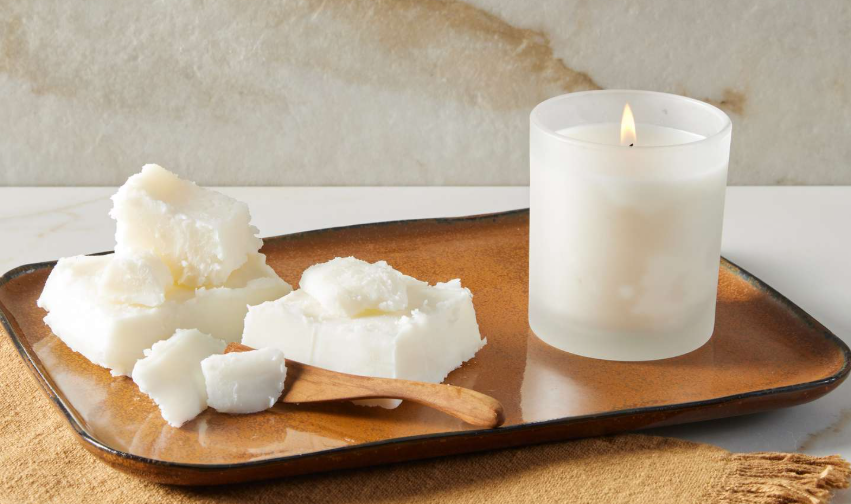
Soy wax is a natural, plant-based wax made from hydrogenated soybean oil. It’s one of the most popular choices among beginner and eco-conscious candle makers. Known for its clean burn, soy wax produces less soot than paraffin and is biodegradable and renewable. It also has a lower melting point, which means it burns longer. Soy wax holds fragrance well and gives candles a soft, creamy appearance.
Paraffin Wax
Paraffin wax is a petroleum-derived product and has been widely used in commercial candle production for decades. It is known for its strong scent throw, smooth finish, and ability to hold vibrant colours and detailed moulds. Paraffin is also one of the most affordable options, which makes it attractive for high-volume production. However, it is not biodegradable and can produce more soot than plant-based alternatives. If you’re experimenting with different types, you’ll find a range of candle wax options, including paraffin, to suit your candle style.
See also: Maximizing Academic Success in Hong Kong
Beeswax
Beeswax is a natural wax produced by honeybees. It has a natural golden hue and emits a gentle honey-like fragrance when burned. This wax is often used for pillar candles, tapers, and natural blends. It burns longer and cleaner than many other waxes and even purifies the air by releasing negative ions. However, beeswax can be more expensive and is usually not used for highly scented candles as it has a strong scent of its own.
Coconut Wax
Coconut wax is made from cold-pressed coconut meat and is usually blended with other waxes like soy or paraffin. It has a creamy consistency, burns slowly, and offers an excellent fragrance throw. This type of wax is ideal for luxury candles due to its smooth surface and ability to hold fragrance and colour well. Coconut wax is more expensive, but many crafters love its premium finish and eco-friendly origin.
Palm Wax
Palm wax is derived from palm oil and creates candles with a unique crystallised or feathered pattern. It’s very firm, making it great for moulded candles. While it performs well, palm wax does raise sustainability concerns due to deforestation associated with some palm oil farming practices. When using palm wax, look for ethically sourced, RSPO-certified suppliers to ensure you’re making an environmentally responsible choice.
Blended Waxes
Many candle makers prefer blended waxes that combine the benefits of two or more types. Common blends include soy-paraffin or soy-coconut, offering a balance between clean burning and strong scent throw. Blended waxes can also help reduce surface imperfections, increase scent retention, or improve container adhesion. They’re a great choice if you want better performance and consistency.
How to Choose the Best Wax for Your Needs
When selecting a wax, think about what matters most to you—eco-friendliness, burn time, scent performance, appearance, or cost. Soy wax is ideal for clean-burning container candles, while paraffin is great for strong scents and vivid colours. Beeswax and coconut wax are suited to natural or high-end candles, while palm wax is perfect for decorative pillars. If you’re new to candle making, start with a simple wax like soy, and experiment from there.
Closing Thoughts
Understanding the different types of wax is essential for crafting candles that look beautiful and burn well. From natural soy and beeswax to powerful paraffin and luxurious coconut wax, there’s a perfect wax for every maker and every candle. Try different types, take notes, and let your candle style evolve as you discover what works best for you.