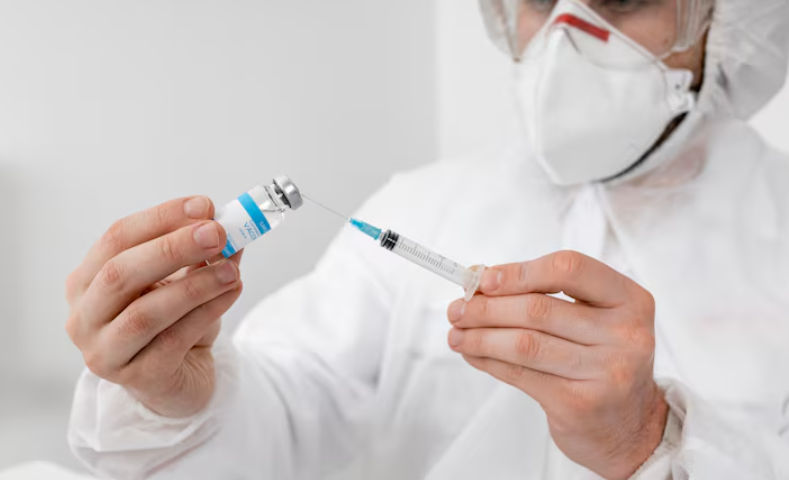
Understanding Medical Injection Tools

Introduction to Syringe Usage
Syringes are indispensable tools in healthcare, allowing precise administration of medications, vaccines, and other fluids. Their versatility extends across hospitals, clinics, and home healthcare. While often overlooked, understanding the different aspects of syringes is crucial for safe and effective treatment.
The Role of Proper Equipment
The effectiveness of medical treatment relies heavily on using the correct tools. A syringe that is too large or too small can compromise accuracy, cause discomfort, or lead to dosage errors. Medical professionals need to understand the factors that influence the selection of equipment, including patient age, fluid type, and therapy requirements.
See also: Can an HVAC System Contribute to Health Issues?
Key Components of a Syringe
A syringe is more than just a barrel and plunger. Each component plays a critical role in delivering safe and precise medication.
Barrel
The barrel holds the fluid to be injected and is typically marked with measurement indicators. Accurate readings on the barrel ensure correct dosing. Transparent barrels also allow healthcare providers to monitor for air bubbles, which must be removed before administration.
Plunger
The plunger fits snugly within the barrel and allows syringe sizes controlled delivery of the fluid. A smooth plunger movement is vital for accuracy and patient comfort. Proper technique ensures the fluid is administered at the correct speed and volume.
Needle
The needle attaches to the syringe and provides access to the patient’s tissue or bloodstream. Needle size and gauge must match the type of fluid and the patient’s condition to minimize pain and avoid tissue damage.
Luer Lock or Slip Tip
The connection between the syringe and needle is critical for safety. Luer lock syringes securely attach the needle, preventing accidental detachment, while slip-tip syringes allow quick attachment for certain procedures. Proper connection ensures sterility and precise delivery.
Understanding Syringe Sizes
Syringe sizes vary to accommodate different types of fluids, patient ages, and administration techniques. Selecting the correct size is essential to maintain accuracy and reduce discomfort.
Small-Volume Syringes
Syringes ranging from 0.5 ml to 5 ml are commonly used for vaccines, insulin, and other precise medication doses. These syringes allow for accurate measurement of small volumes, which is particularly important in pediatric and geriatric care.
Medium-Volume Syringes
Syringes from 5 ml to 20 ml are suitable for standard injections, intramuscular or subcutaneous administration, and drawing blood samples. Their size strikes a balance between fluid capacity and ease of use for routine medical procedures.
Large-Volume Syringes
Syringes above 20 ml are typically used for irrigation, feeding, or administering larger doses of fluids. While they are less common for injections, their capacity is useful in critical care, laboratory procedures, and wound care applications.
Applications in Healthcare
Syringe sizes influence their application across various medical scenarios, from routine vaccinations to emergency treatment.
Medication Administration
Choosing the correct syringe size ensures the accurate delivery of medications. Small syringes are ideal for precise dosing, while medium syringes can be used for standard injections. Proper selection reduces the risk of overdose or underdose.
Vaccination
Vaccines often require small syringes for precise delivery and minimal discomfort. Healthcare professionals must match the syringe to the vaccine volume and patient age to ensure safety and effectiveness.
Laboratory and Diagnostic Use
In laboratory settings, syringes are used to collect blood or other fluid samples. The appropriate size ensures that samples are collected efficiently without contamination or spillage.
Irrigation and Feeding
Large-volume syringes are useful for irrigation of wounds or tubes and for enteral feeding. Their capacity and ease of use make them suitable for tasks requiring rapid administration of larger fluid volumes.
Choosing the Right Syringe Size
Selecting the correct syringe size depends on multiple factors, including:
- Volume of fluid to be administered
- Type of medication or fluid
- Patient age and size
- Route of administration (intravenous, intramuscular, subcutaneous)
Proper choice minimizes discomfort, ensures accuracy, and supports optimal treatment outcomes.
Safety Considerations
Handling syringes safely is critical to prevent infections, dosing errors, and injury. Healthcare providers should follow guidelines for:
- Proper disposal in sharps containers
- Avoiding reuse
- Ensuring sterility of the syringe and needle
- Checking for air bubbles before administration
Innovations in Syringe Design
Modern syringes are designed for safety and ease of use. Features such as safety caps, prefilled syringes, and ergonomic plungers enhance accuracy, reduce risk of needle-stick injuries, and improve patient comfort.
Conclusion
Syringes are fundamental tools in healthcare, and understanding syringe sizes is essential for precise, safe, and effective treatment. Each component, from the barrel to the needle, plays a vital role in medication administration, vaccinations, laboratory procedures, and feeding applications. Choosing the correct size ensures accurate dosing, minimizes discomfort, and supports overall patient care. Awareness of modern designs and proper handling practices further enhances safety and efficiency in clinical settings.